Most travel photos fail for one reason, and it is not the camera. It is the hour. Light changes faster than people expect, and the difference between 11 a.m. and 7 p.m. is bigger than the difference between two photographers.
Golden hour
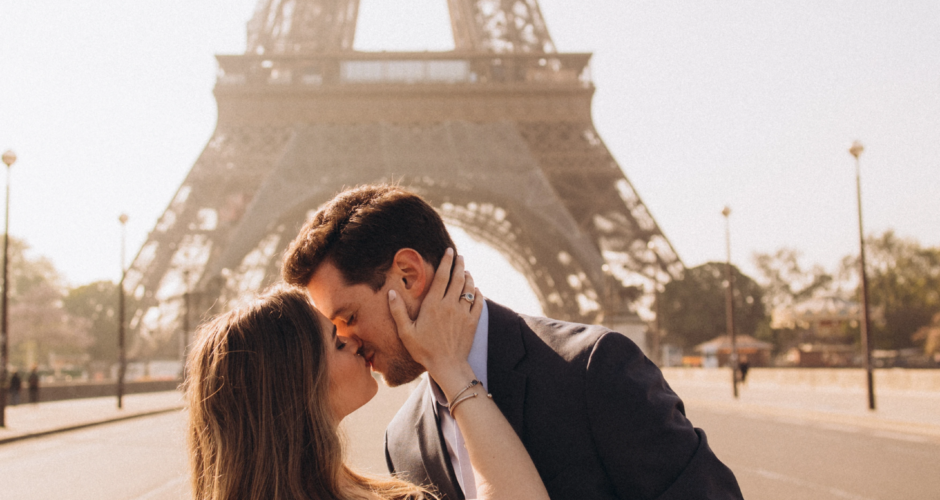
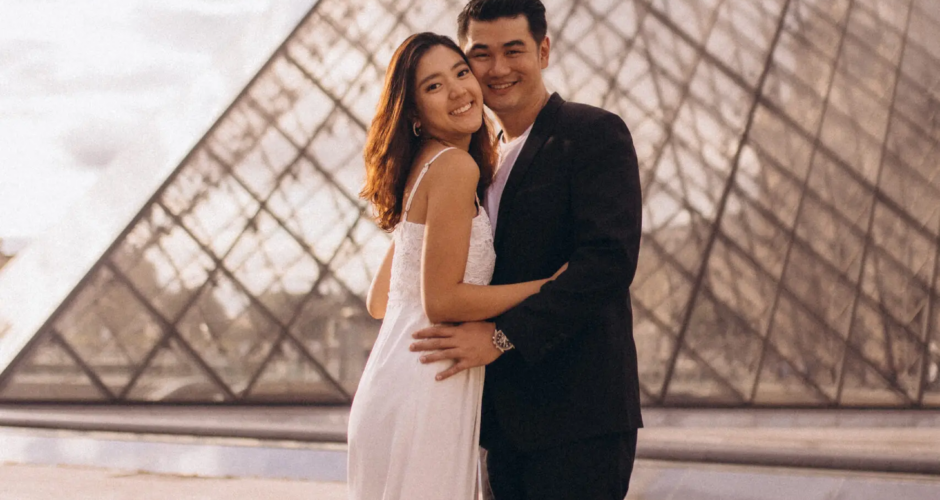
The hour after sunrise and the hour before sunset. The sun sits low, the light is warm and directional, and skin looks good without any help. This is when you want portraits, backlit shots and anything with a horizon in it. The catch is that it is short: in summer you get a comfortable window, in winter it can be forty minutes from start to finish.
Blue hour
The twenty to thirty minutes after the sun disappears, when the sky is still bright but the street lights are already on. Cities look their best here — the sky holds colour, windows glow, and there is just enough light for people to stay sharp. Bridges, squares and waterfronts are worth saving for this window.
What about the middle of the day?
Harsh overhead sun is the hardest light to work with, but it is not a lost cause. Shade is the answer: arcades, courtyards, narrow streets and the north side of any building. An overcast sky is even easier — it works like a giant softbox and gives you the whole day to shoot.
When you book a session, check the sunset time for your date first and build the plan around it. Everything else — the outfits, the route, the list of spots — is easier to change than the sun.